

Joint Health Supplements
Your joints, cartilage, tendons, and ligaments all contribute to how comfortably you move. Joint health supplements provide targeted nutritional options for mobility, flexibility, connective tissue, and the physical demands that come with exercise, work, and staying active.

Joint Health Supplements Follow the Anatomy of Movement
Healthy movement depends on more than the joint itself. Cartilage helps cushion the ends of bones, while tendons connect muscle to bone and ligaments help stabilize joints. Supporting these structures is one reason joint health formulas often combine several types of nutritional ingredients.
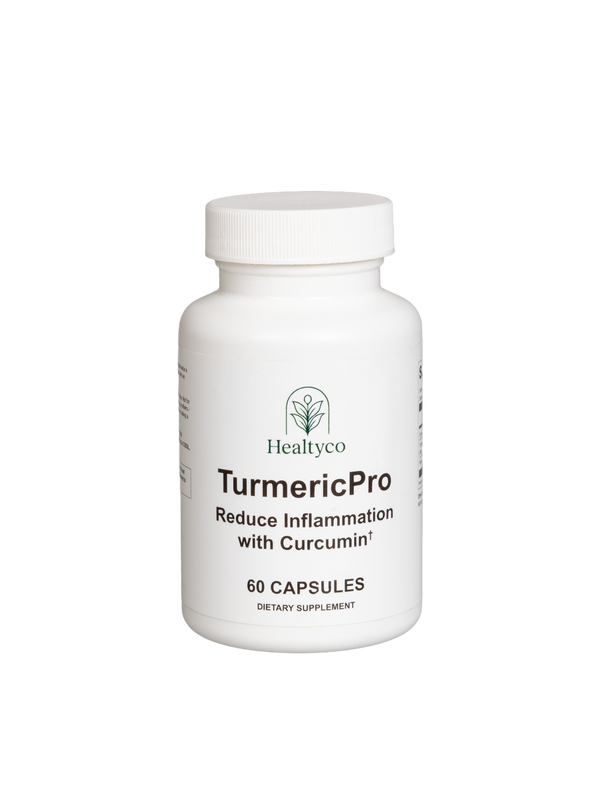
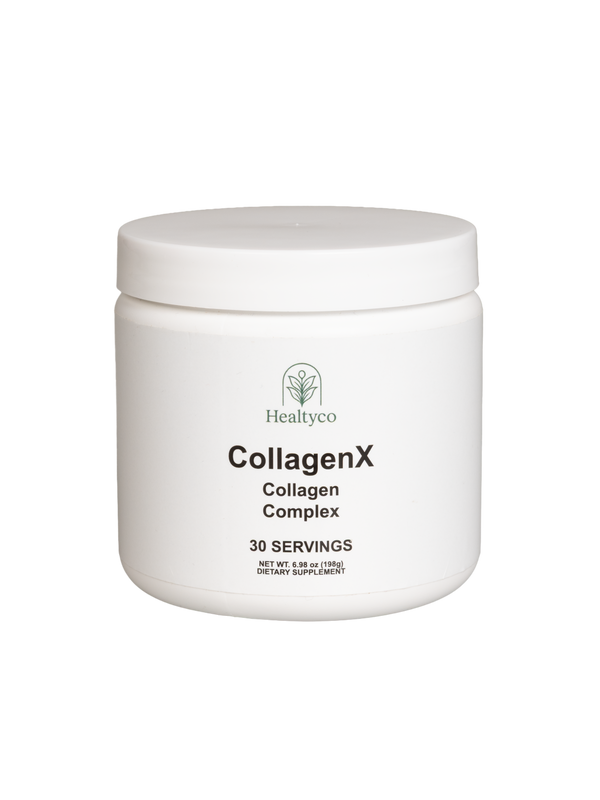
Collagen peptides provide amino acids found in connective tissues, while botanical ingredients such as turmeric and Boswellia take a different approach. Other compounds can be included alongside them to create formulas aimed at mobility, flexibility, and joint comfort. The ingredients you prioritize can depend on your activity level and what you want from the formula.
Movement also matters. Strength training, mobility work, regular activity, adequate protein, and maintaining a healthy body weight all influence how joints handle physical demands over time. Targeted nutrition can complement these fundamentals when joint and connective tissue health are a priority.