

Metabolism Supplements
Metabolism determines how your body processes the nutrients you eat and converts them into usable energy. Metabolism supplements provide vitamins, minerals, botanicals, antioxidants, and other targeted ingredients involved in glucose metabolism, energy production, and related metabolic processes.
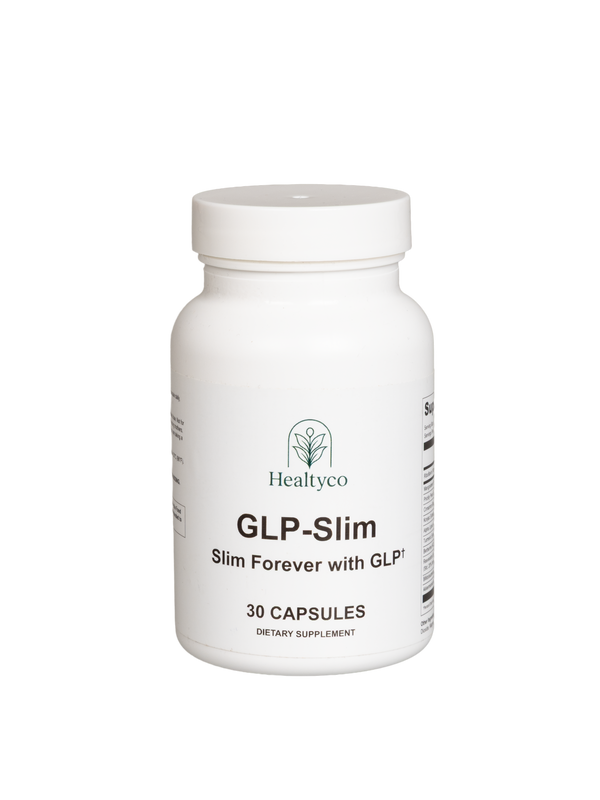
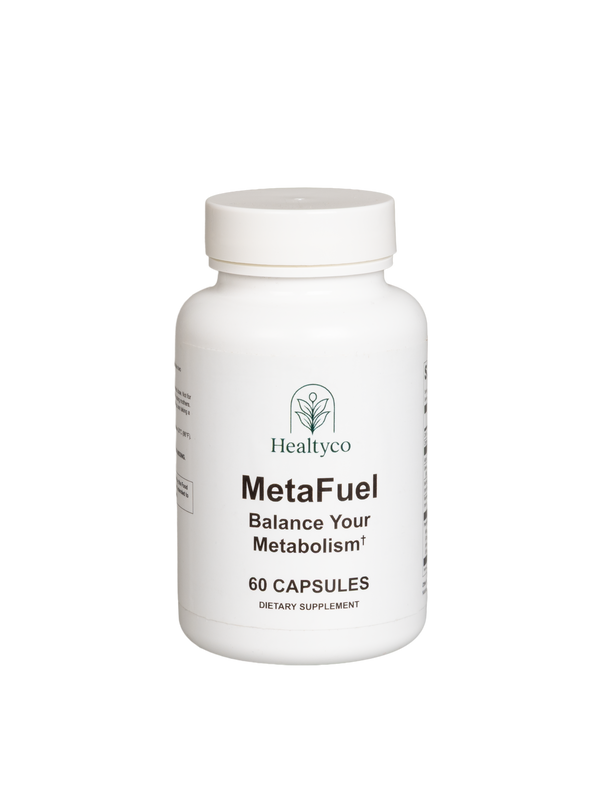
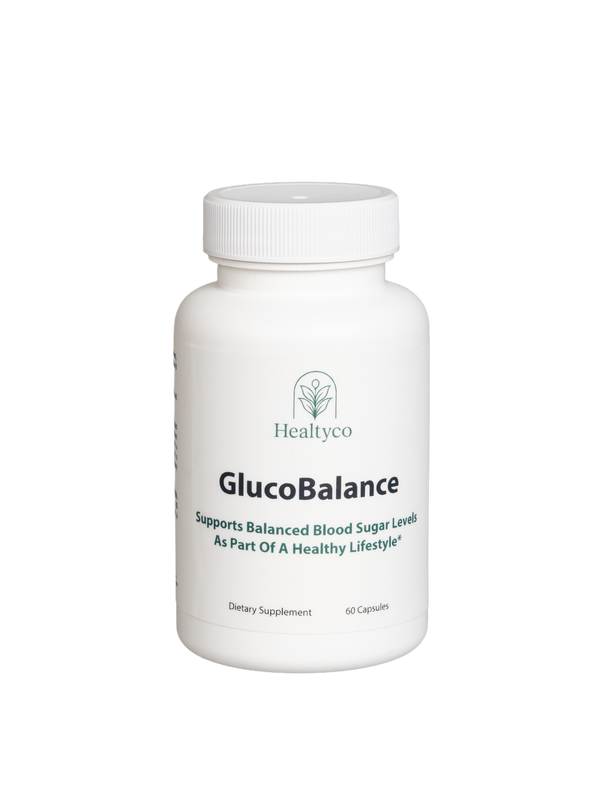
Metabolism Supplements and the Nutrients Behind Energy Use
Eating is only the beginning of what your body does with food. Carbohydrates are broken down into glucose, cells use nutrients to produce energy, and hormones help coordinate how that energy is used and stored. These connected processes are part of metabolism and help explain why metabolic formulas can contain such a wide range of ingredients.
Chromium contributes to normal macronutrient metabolism and the maintenance of normal blood glucose levels, while zinc and riboflavin have their own roles in normal metabolism. Alpha lipoic acid and resveratrol add antioxidant compounds, while botanicals such as Gymnema sylvestre, banaba, mangosteen, and berberine provide another group of ingredients commonly found in metabolic formulas.
The gut is also becoming part of the metabolic nutrition conversation. Bifidobacterium bifidum and Akkermansia muciniphila are microorganisms associated with the intestinal microbiome, an area increasingly studied for its relationship with nutrition and metabolism. These ingredients do not replace the fundamentals: balanced meals, regular physical activity, adequate sleep, and maintaining a healthy weight remain central to metabolic health.