Heart Health Supplements

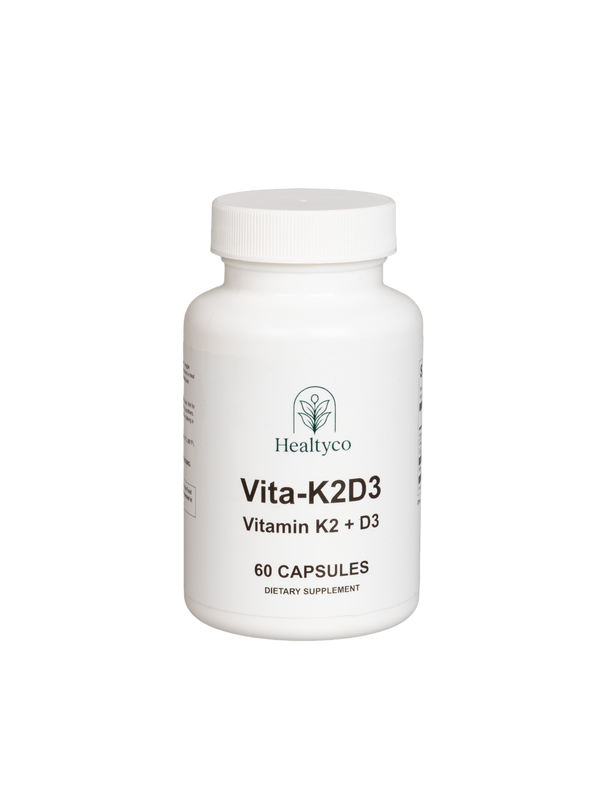
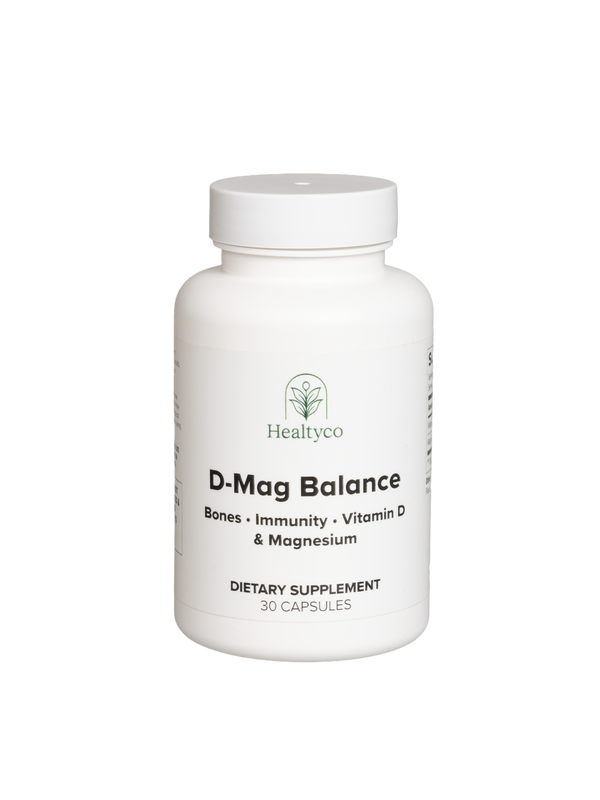
Your heart and circulatory system depend on a steady supply of essential nutrients. Heart health supplements provide omega-3 fatty acids, CoQ10, magnesium, vitamin D3, vitamin K2, and other nutrients involved in cardiovascular function, circulation, and cellular energy.
Heart Health Supplements and the Nutrients Behind Every Beat

Cardiovascular nutrition involves more than one nutrient or biological process. The heart is a muscle with constant energy demands, blood vessels help maintain circulation throughout the body, and essential nutrients contribute to normal muscle function and other processes involved in cardiovascular health.

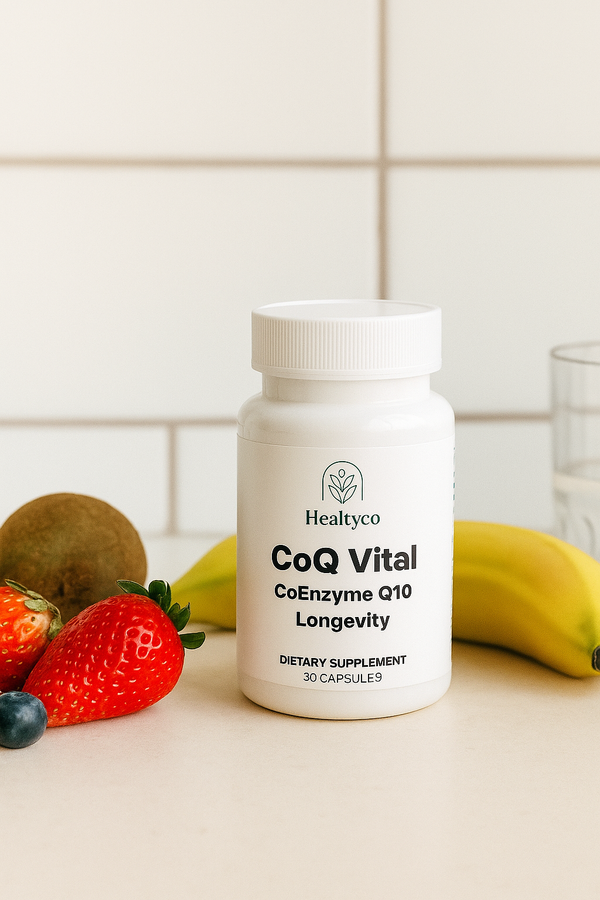
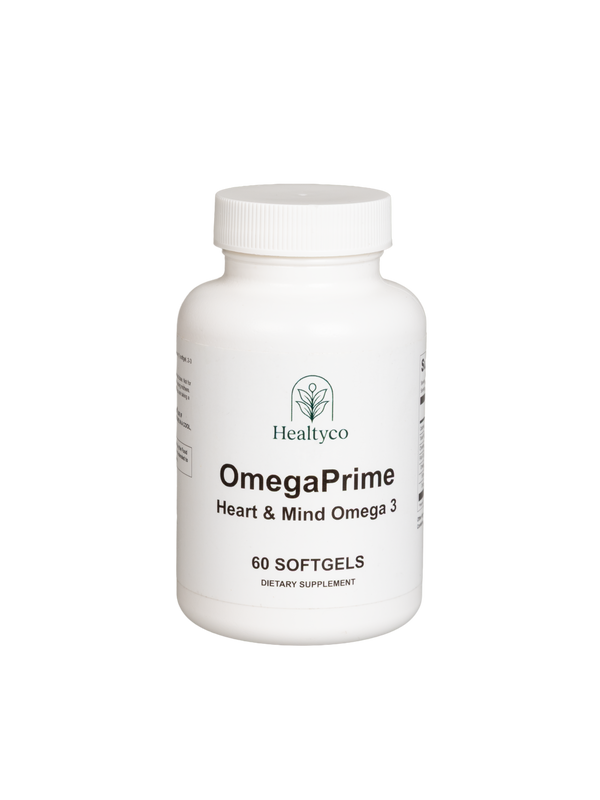
Omega-3 fatty acids provide EPA and DHA, while CoQ10 plays a role in cellular energy production. Magnesium contributes to normal muscle function, and vitamins D3 and K2 are involved in calcium metabolism. Each has a distinct nutritional role, which is why cardiovascular formulas can look very different from one another.

These nutrients work within a much larger picture. Regular physical activity, a balanced diet, adequate sleep, maintaining a healthy weight, and avoiding smoking remain central to cardiovascular health. Targeted nutrition can complement those fundamentals when your diet or individual needs call for additional nutrients.

FAQ

Heart health supplements commonly contain nutrients such as omega-3 fatty acids, CoQ10, magnesium, vitamin D3, and vitamin K2. These ingredients have different nutritional roles related to cardiovascular function, cellular energy, muscle function, and other processes involved in maintaining normal health. The right choice depends on your diet, nutritional needs, medications, and overall health.
Omega-3 refers to a family of essential fatty acids that includes ALA, EPA, and DHA. ALA occurs mainly in plant foods, while EPA and DHA are most commonly associated with fish, seafood, fish oil, and algae. Because the body cannot make sufficient amounts of essential omega-3 fatty acids on its own, they must come from the diet or other nutritional sources.
Omega-3 supplements commonly provide EPA and DHA, two long-chain omega-3 fatty acids found naturally in fatty fish and seafood. EPA and DHA contribute to the normal function of the heart when consumed in appropriate amounts. Omega-3 supplements can provide these fatty acids when dietary intake from fish and other sources is limited.
There is no single best supplement for heart health because cardiovascular nutrition involves several different nutrients and biological processes. Omega-3s provide EPA and DHA, CoQ10 is involved in cellular energy production, and magnesium contributes to normal muscle function. A healthcare professional can help identify which nutrients are appropriate based on your diet, health, and current medications.
Magnesium citrate is a form of magnesium made by combining magnesium with citric acid. Magnesium is an essential mineral involved in hundreds of processes in the body, including normal muscle and nerve function, energy metabolism, and electrolyte balance. Magnesium citrate is commonly used in dietary supplements as a source of supplemental magnesium.